

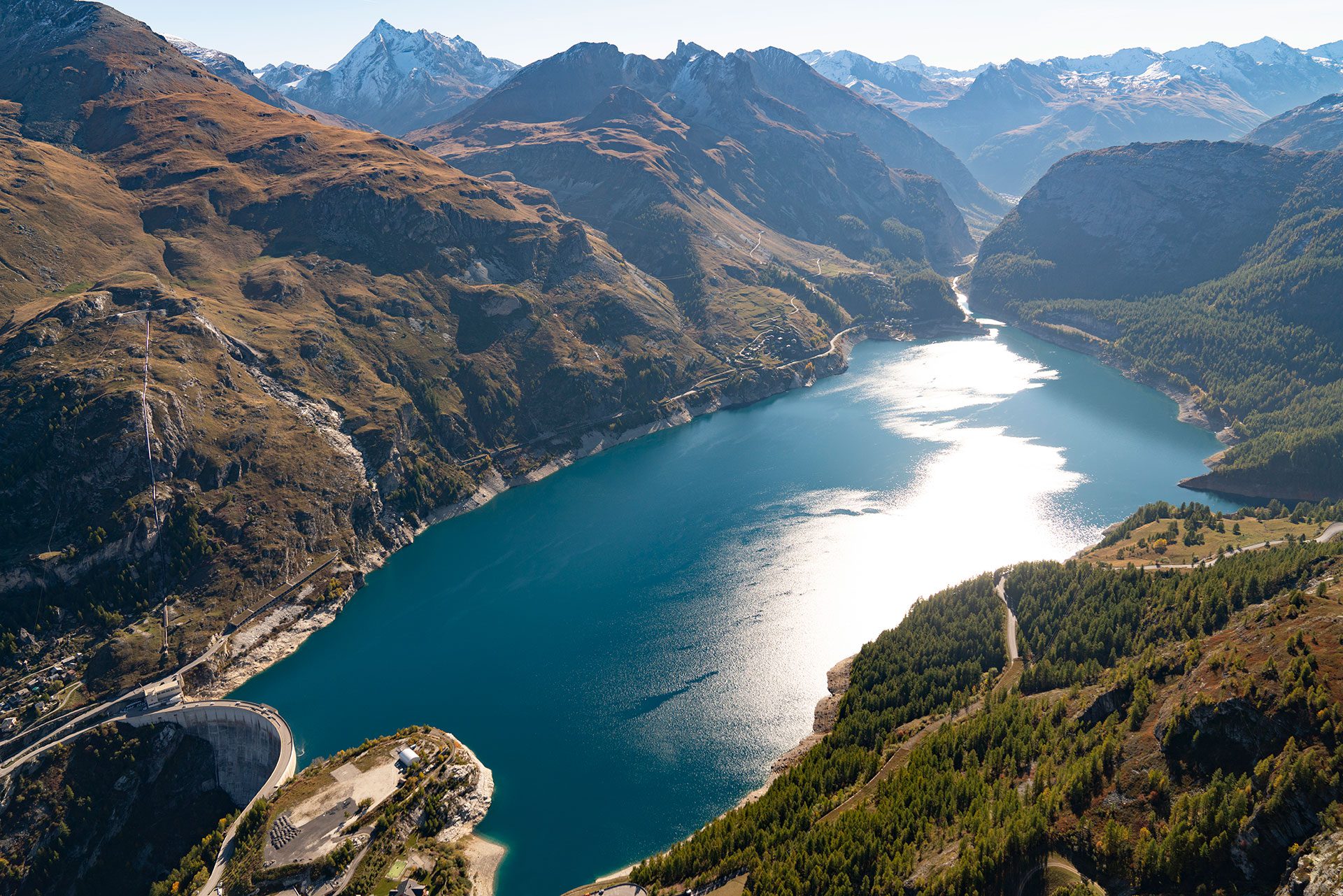
Energy storage systems make a significant contribution to Australia’s energy transition by providing the system-level flexibility needed to integrate more renewable generation and future-proof our electricity system.
EDF Australia’s focus will be on investing in utility scale batteries, pumped hydro energy systems (PHES) and other solutions providing long and short duration energy storage options for the market.

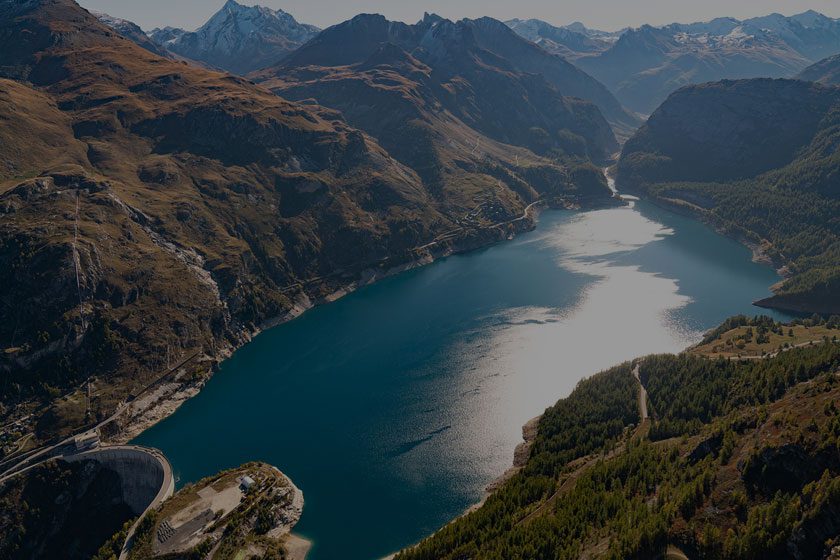
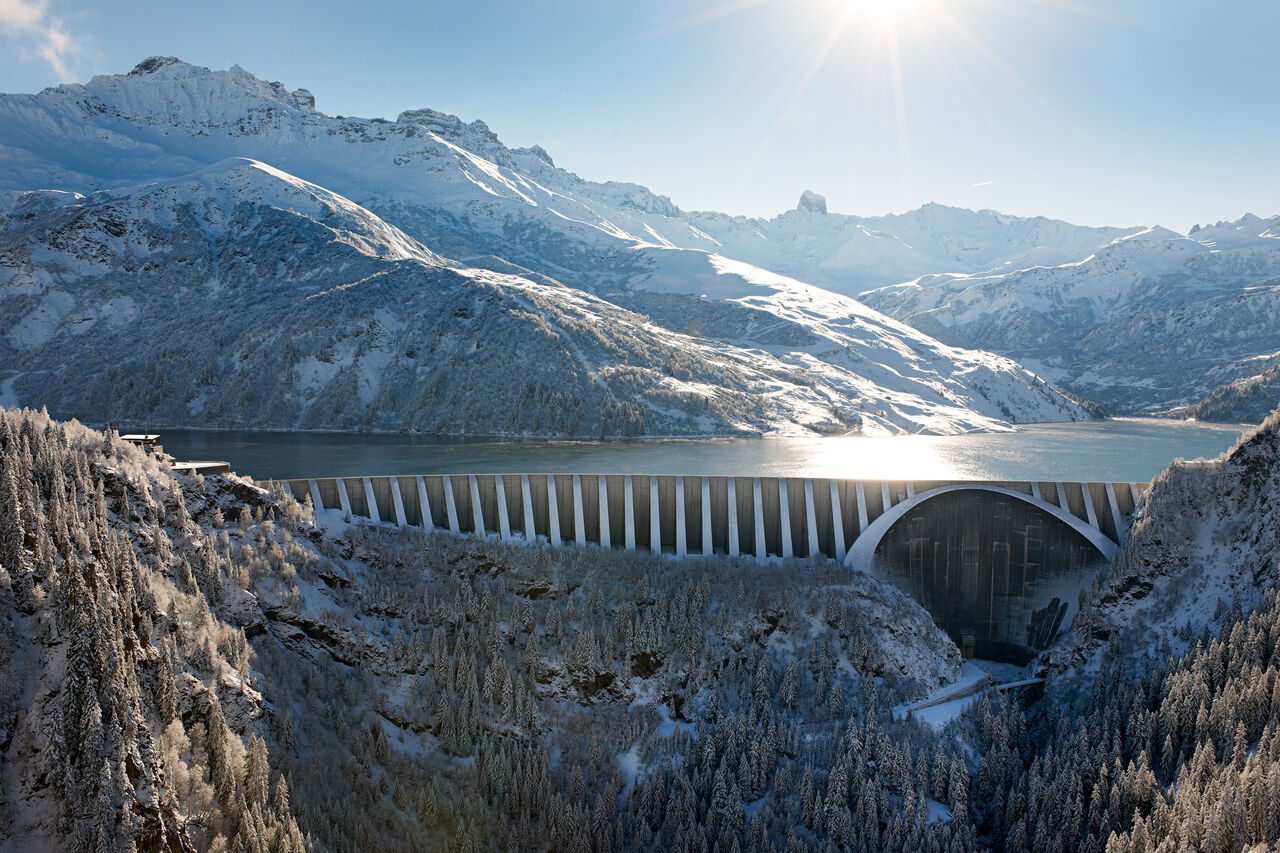
The EDF Group is one of the world’s leading developer, owner, operators of PHES. In France, the 436 hydroelectric power stations and 239 large dams and water intakes operated by EDF play a part in ensuring the country’s energy supply security (around 22 GW capacity and 45 TWh annual generation).
Each year, EDF spends nearly 400 million euros (A$661M) on maintaining these facilities. Internationally recognised, EDF's hydroelectric expertise is exported around the world. The Group has acquired the ability to design, build and manage projects around the world.
5,500
Employees, including 875 at Hydro Engineering Centre
22.5 GW
Under operation with 42 TWh generation in France
430 Power
stations with over 630 dams in France
Electricity Output
1,480 km
of galleries and 267 km of penstocks
6 main PHES built,
owned and operated by EDF – 5 GW in turbine mode, 4.2 GW in pump mode
EDF possesses deep experience across the entire development lifecycle of hydroelectric facilities which we have exported to develop, own and operate projects internationally (for ourselves and others).

New South Wales, Australia
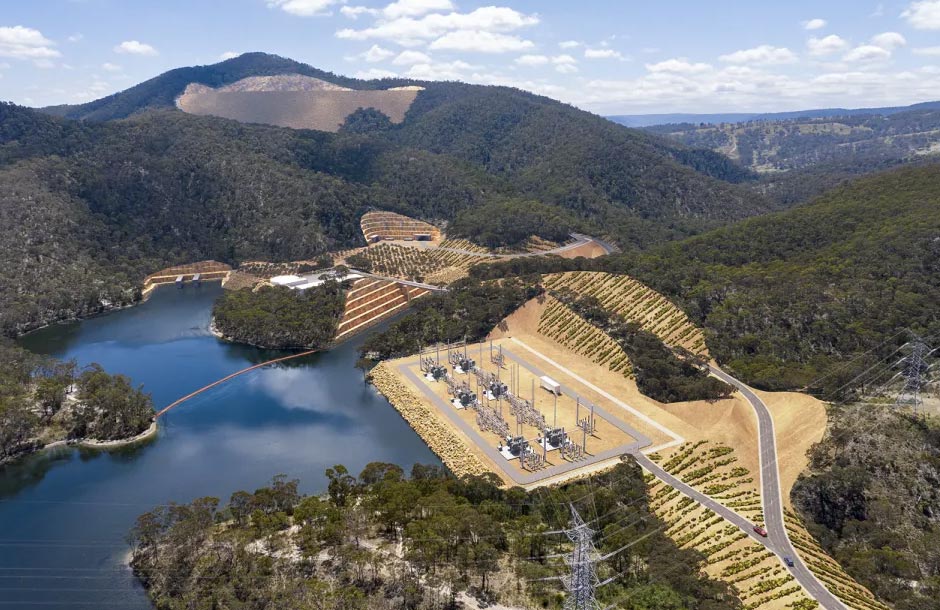
EDF Australia has acquired and is developing the Dungowan Pumped Hydro Energy Storage project, located in the New England Renewable Energy Zone, approximately 50 km southeast of Tamworth. The project will have an expected capacity of approximately 300 MW and 10 hours of electricity storage:
Lake Lyell Pumped Hydro Energy Storage project (LLPHES) in Lithgow, NSW
EDF Australia is partnering with Energy Australia to develop this facility which would be capable of producing 385 MW of reliable dispatchable energy, enough to supply over 250,000 homes in New South Wales (NSW) for up to 8 hours.
The next phase of the Project is the submission of the Environmental Impact Statement (EIS) which we anticipate will occur in early 2026. The EIS will be on public exhibition for a minimum of 28 days and is open to submissions from the community.

EDF Group owns 40% of Nam Theun 2 Power Company (NTPC), which was responsible for the development, delivery and operation of the Nam Theun 2 Hydropower Complex built by EDF:
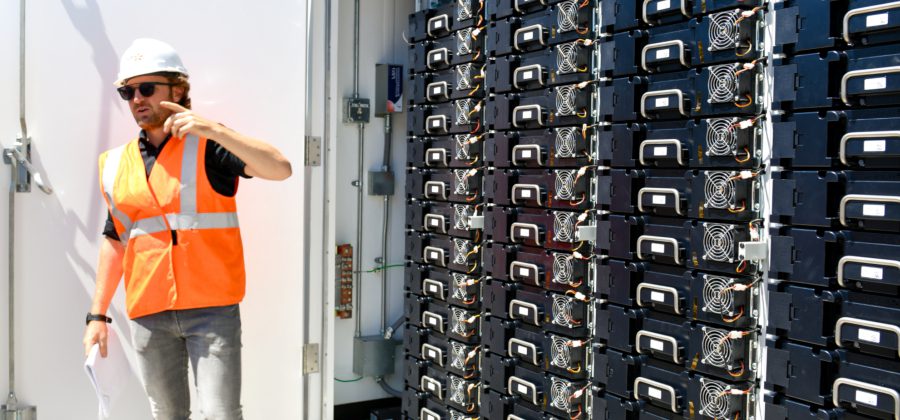
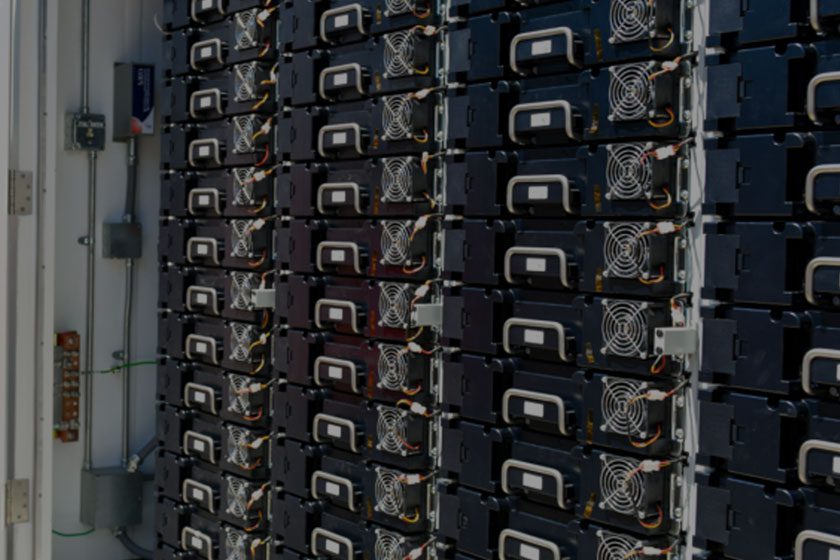
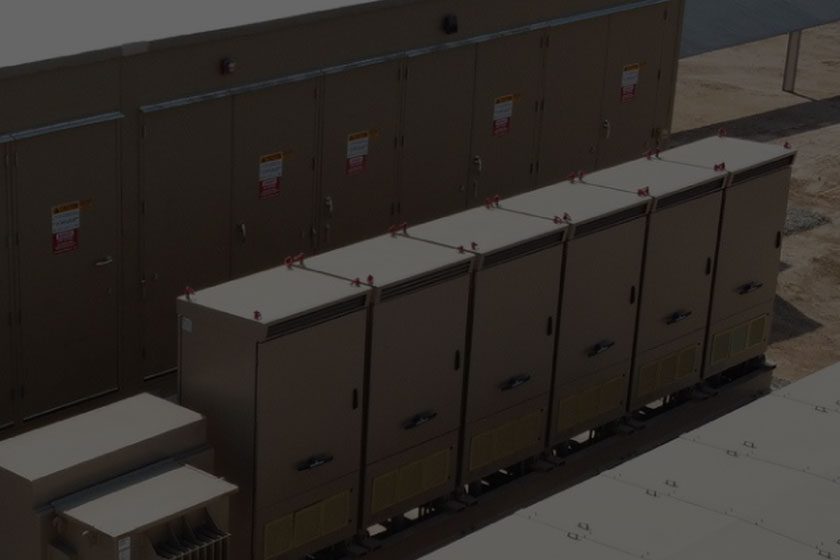
Battery Energy Storage System (BESS) is an energy storage system that uses a network of batteries to store electricity, when there is an excess amount of electricity in the system (due to favourable weather, or reduced demand). BESS can then release it back to the grid during peak demand periods, enhancing energy reliability and efficiency.
EDF Australia develops BESS projects across all eastern states of Australia, both as standalone installations and as collocated systems alongside its wind and solar projects. Our experience enables us to hybridize battery with renewable energy projects. We engage with communities and local stakeholders as well as with network operators and large energy users to ensure that our projects are aligned with their needs and expectations.
BESS is a complementary component of the energy transition, facilitating the integration of renewable energy sources and contributing to grid stability. Australia has significant potential and a growing requirement for energy storage solutions in various forms, and we aim to contribute to this development in a responsible manner.


United States of America
EDF Australia has a long-term investment profile and is assessing all technologies available to support the energy transition in Australia. There are several emerging long duration (8hrs+) storage technologies that have the potential to support the decarbonisation needs of major industrial players.